Artists › Adnan Turani
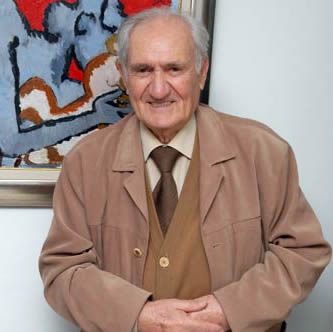
Adnan Turani was born in Istanbul in 1925. From 1941 to 1944 Turani studied at the Istanbul Teachers' School, attending classes at the Istanbul Academy of Fine Arts as a guest student in the same years. From 1945 to 1948 Turani studied in the Department of Painting at the Gazi Institute of Education in Ankara, and until 1953 taught at high schools and teachers' schools.
From 1953 to 1959 Turani studied in Germany, having gone there under Law No. 1416 (a Ministry of National Education scholarship), and was the first student sent to Europe in the field of painting after the Second World War. Turani studied with Franz Nagel at the Munich Academy of Fine Arts, with Henninger and Willy Baumeister at the Stuttgart Academy of Fine Arts, and with Heinz Trökes at the Hamburg Academy of Fine Arts. From 1959 to 1970 Turani was a studio teacher in the Department of Painting at the Gazi Institute of Education in Ankara. From 1970 to 1982 Turani worked at the Faculty of Social and Administrative Sciences, Hacettepe University, first as a lecturer and then as a faculty member. Turani received a doctorate in 1973 with the thesis Modern Plastik Sanatları Yaratan Etkenler, and became an associate professor in 1978 with the thesis Resimde Geometri.
From 1982 to 1986 Turani taught in the Department of Painting, Faculty of Fine Arts, Hacettepe University, and became a professor in 1986. From 1986 to 1990 Turani headed the Department of Plastic Arts at Bilkent University and taught there.
Turani retired in 1990. Succeeding Ord. Prof. Suut Kemal Yetkin, Turani was president of the Art Critics Association for many years, and chaired the jury of the Asian Art Biennale Bangladesh.
Turani's publications include Modern Resim Sanatının Gerçek Çehresi; Resim Üzerine; Güzel Sanatlar Terimleri Sözlüğü; Dünya Sanat Tarihi; Çağdaş Sanat Felsefesi; Batı Anlayışına Dönük Türk Resim Sanatı; Resimde Geometri; and Sanat ve Sanatçılar Dergisi.
The artist died in 2016.
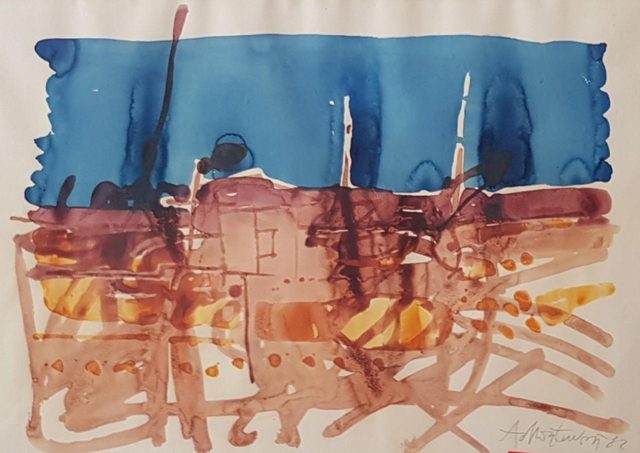
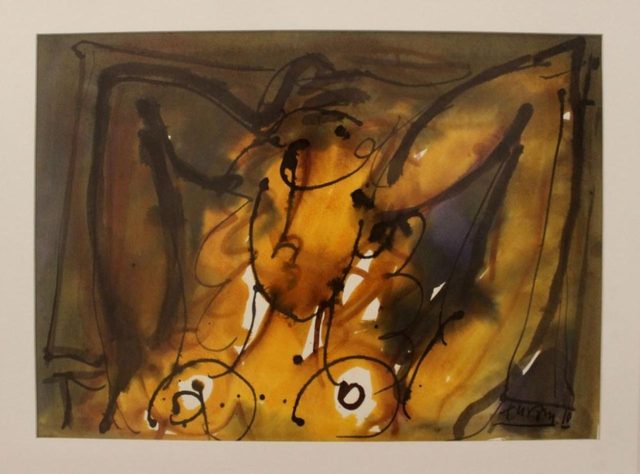
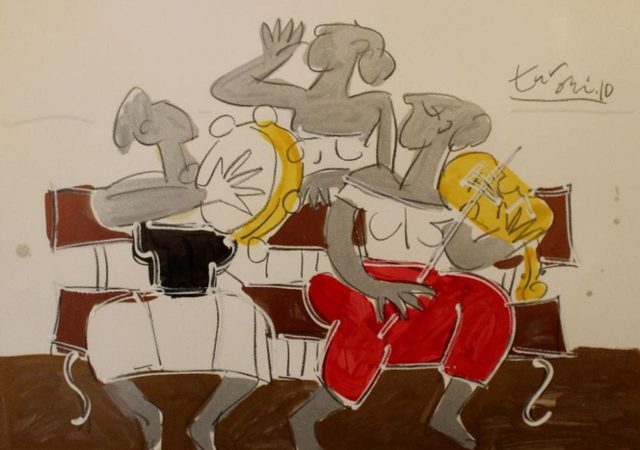
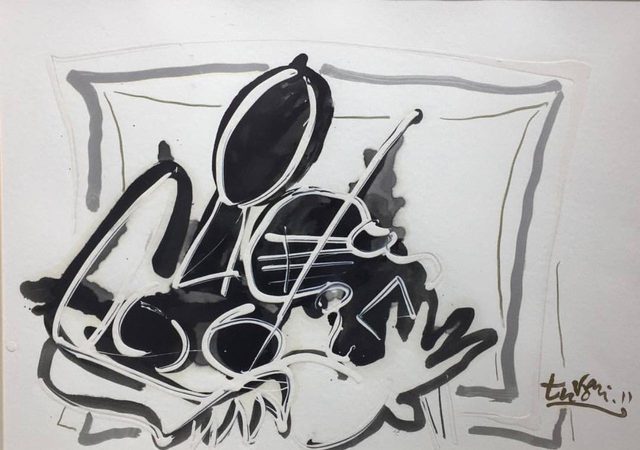
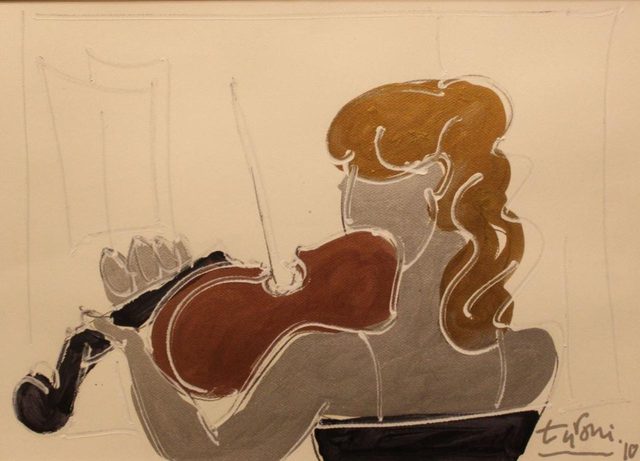
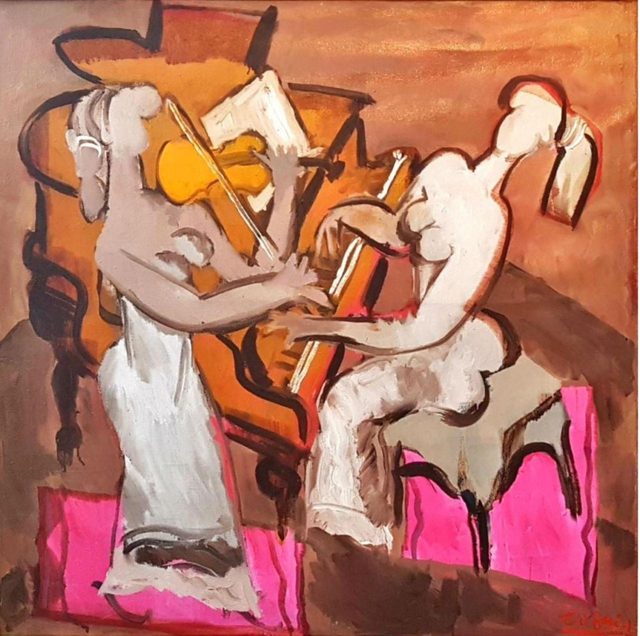
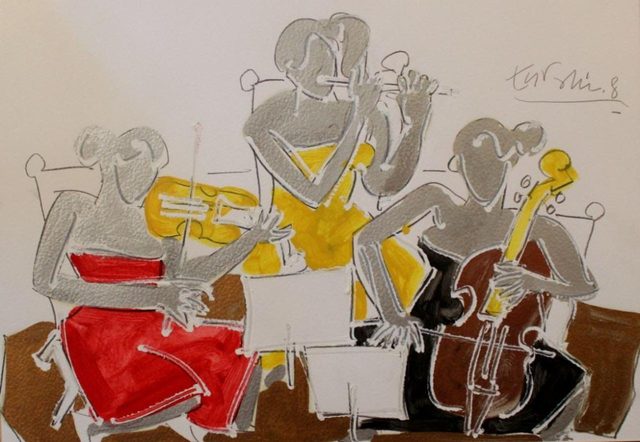
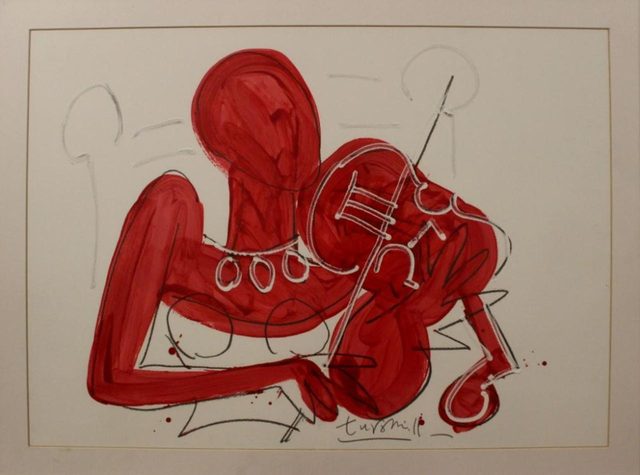
Adnan Turani's understanding of painting rests on the search for a mode of effect built on abstract construction. For Turani, what matters is not the form of nature but the pictorial construction of that form. Turani's paintings rest not on the deformation of the optical image but on an abstract, that is, unforeseeable, construction of the mode of effect, one that can be found through exploration over time.
This site uses cookies that are necessary for it to work. With your permission we also use Google Analytics cookies to measure visits.
Necessary: csrftoken (form security, 1 year), sessionid (session, 2 weeks), django_language (if you change the language; deleted when the browser closes), artsurem_cerez (this choice, 6 months).
Analytics, with your permission: Google Analytics, _ga and _ga_QS998DML2J (2 years). Visit data is processed on Google’s servers outside Türkiye.
You can change your choice at any time with the “Cookie settings” link at the bottom of the page. About your personal data: Personal data.